Metabolism-Based Ferroptosis

Reconstruction of Fate: A Novel Ferroptosis Mechanism for Selective Cell Death with No Observed Systemic Toxicity at Therapeutic Doses Linked to Cell Metabolic State

AlphaGen Bio pioneers a new therapeutic paradigm. It simultaneously targets CISD1 (mitoNEET) and CISD3 (MiNT), key regulators of mitochondrial iron homeostasis.

Unlike existing ferroptosis principles induced by chemicals unrelated to mitochondria, this is a completely new ferroptosis mechanism that selectively induces ferroptosis solely based on mitochondrial metabolic state, ensuring that no systemic toxicity side effects from chemicals are manifested.

By utilizing the inherent metabolic vulnerabilities of pathological cells, it converts altered energy states into a cell death mechanism while simultaneously regenerating healthy tissue.

Metabolically Conditional Selectivity — Exploiting Warburg effect and glycolytic shift vulnerabilities
No Observed Systemic Toxicity — GLP toxicity tests passed at therapeutic doses (single-dose & 90-day repeated)

We name this "Metabolic Ferroptosis" — a completely new ferroptosis paradigm.

AG-0215

Lead Compound (AISC)

CISD1/CISD3

Sequential Dual-Targeting

BBB

CNS Penetrant

GLP

Toxicity Cleared

A New Paradigm in
Drug Discovery

The Problem: Current treatments for neurodegenerative diseases and solid tumors face a fatal dilemma. They either merely alleviate symptoms or cause severe systemic toxicity that destroys normal cells alongside pathological ones. Yet cancer cells and inflammatory microglia share a critical vulnerability — they shut down their normal mitochondrial engine (ETC) and depend on abnormal energy metabolism (glycolysis) to survive.

The Solution: AlphaGen Bio's lead compound AG-0215 is an Amorphous Iron-Sulfur Cluster (AISC) that forces open the broken mitochondrial engine. It sequentially targets CISD1 (mitoNEET) on the outer membrane and CISD3 (MiNT) in the matrix — the master switches of iron metabolism and the electron transport chain — delivering essential iron-sulfur clusters to repair and forcibly reactivate the ETC.

Two Opposite Fates: In healthy cells that already use the ETC, this repair enhances vitality and provides neuroprotection (Protect). But in pathological cells long-dependent on glycolysis, sudden forced ETC reactivation triggers catastrophic Reverse Electron Transport (RET), an explosive ROS burst, and irreversible ferroptosis via Fenton-mediated lipid peroxidation (Kill). The cell's own metabolic state — not chemical toxicity — dictates its fate.

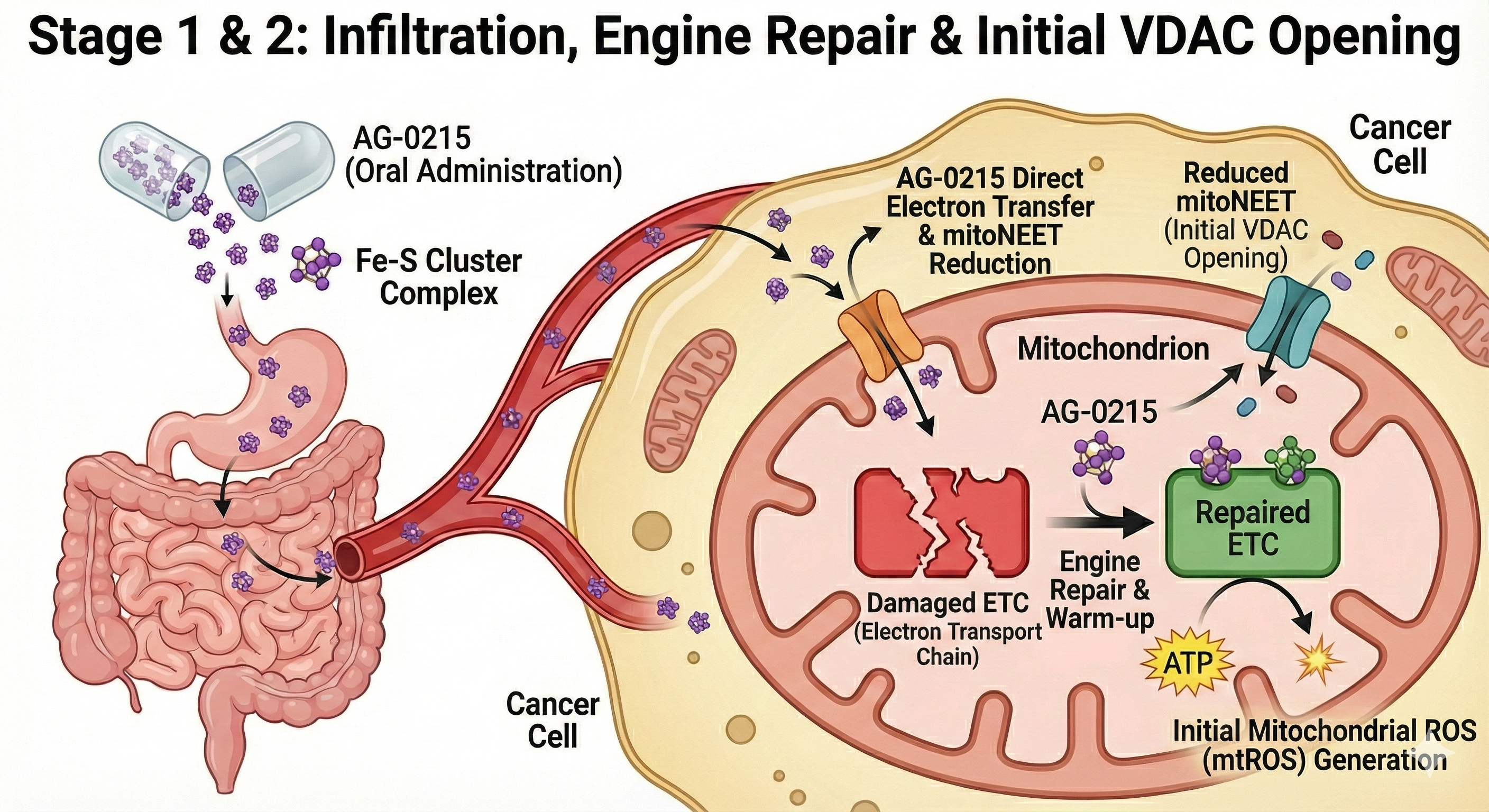
Smart Delivery: AG-0215 is absorbed through lymphatic vessels (lacteals), not capillaries, and is then taken up by macrophages. These macrophages migrate to sites of inflammation or tumors, after which the AISC is encapsulated in exosomes. This exosome-wrapped state is estimated to represent the biological structure that most readily penetrates the Blood-Brain Barrier (BBB). Once inside, it opens VDAC channels via mitoNEET on the mitochondrial outer membrane and delivers essential ISC to damaged CISD3 proteins, restoring their function.

Explore Our Science →

Same Compound. Opposite Destinies.

The metabolic state of the cell dictates the pharmacological outcome.

Healthy Neurons

OXPHOS-Dependent — Cell Survival

These cells are already primed for physiological oxygen utilization. When AG-0215 repairs their damaged ETC, the result is enhanced vitality.

  • AG-0215 repairs damaged ETC components via CISD1/CISD3
  • Physiological restoration — enhanced ATP production
  • Fortified GPX4/antioxidant defenses
  • Robust neuroprotection and cell vitality
Pathological Cells

Glycolysis-Dependent — Cell Death

Warburg effect / M1 Microglia pro-inflammatory glycolytic shift. These cells cannot adapt to sudden forced mitochondrial activation.

  • Cannot adapt to sudden forced ETC reactivation
  • RET triggers lethal ROS burst at Complex I
  • Fenton reaction → rapid PUFA lipid peroxidation
  • Selective Metabolic Ferroptosis (irreversible)

The metabolic state of the cell dictates the pharmacological outcome. AG-0215's mechanism ensures that whether the cell lives or dies depends entirely on its own metabolic identity — not on external chemical toxicity.

Metabolism-Based Ferroptosis Platform

A fundamentally new approach that distinguishes between healthy and pathological cells through their metabolic states — not by chemical toxicity.

Targeted Mechanism of Metabolic Reperfusion

How Glycolytic Adaptation Becomes a Fatal Fault

Whether they are solid tumor cells adapted to the Warburg reaction or inflammatory (M1) microglia, pathological cells inhibit the electron transport chain (ETC) and rely heavily on glycolysis for survival. This creates a highly reduced environment within the cell where metabolic intermediates, such as succinic acid, accumulate.

The mitochondrial matrix, where MiNT (CISD3) resides, becomes an iron-accumulated environment as the cell suppresses ferroptosis. However, if the ETC is suddenly reactivated by AG-0215, a fatal "metabolic reperfusion" phenomenon occurs.

In these glycolysis-dependent cells, a sudden influx of electrons triggers Reverse Electron Transport (RET) in Complex I. This leads to an explosive generation of reactive oxygen species (ROS). Because these cells lack sufficient antioxidant reserves, the surge in ROS immediately catalyzes a massive Fenton reaction with free iron, causing fatal PUFA lipid peroxidation. As a result, rapid and irreversible metabolic ferroptosis localized to the corresponding cells occurs.

Oncology Target

Sequential Dual-Targeting of CISD Proteins in Solid Tumors

Mastering Mitochondrial Iron Flow from Outer Membrane to Matrix

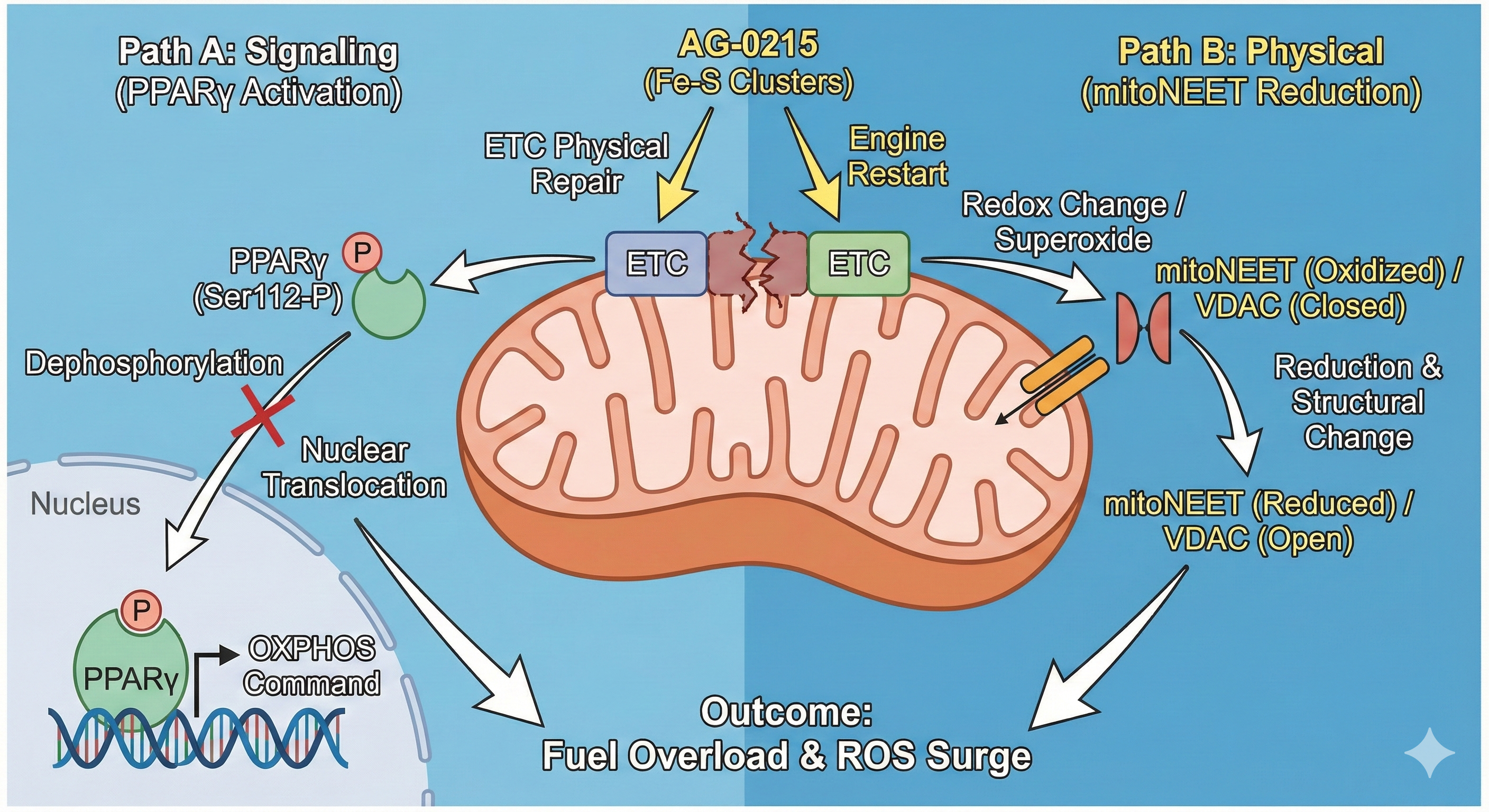
Step 1 — Unlocking the Gate (mitoNEET Modulation): At the mitochondrial outer membrane, AG-0215 first reduces oxidized mitoNEET (CISD1). This crucial structural shift triggers the opening of Voltage-Dependent Anion Channels (VDAC), unlocking the mitochondrial gateway and allowing essential ETC cofactors and iron-sulfur clusters to flow inward.

Step 2 — Reigniting the Engine (MiNT Modulation): Once inside the mitochondrial matrix, AG-0215 engages its ultimate target: MiNT (CISD3). By supplying the necessary [2Fe-2S] clusters, it rescues MiNT from its suppressed state, forcibly repairing and reactivating the Electron Transport Chain (ETC).

This elegant cascade — from unlocking the outer membrane to reigniting the inner matrix — is what triggers the lethal “Metabolic Reperfusion” uniquely in highly glycolytic pathological cells. Cancer cells exploiting the Warburg effect for survival cannot escape this forced metabolic overload, leading to irreversible ferroptosis.

Neurodegeneration Target

Targeting the Pro-Inflammatory Glycolytic Shift in M1 Microglia

How AG-0215 Exploits the Metabolic Achilles' Heel of Neuroinflammation

In neurodegenerative environments, microglia undergo a distinct pro-inflammatory glycolytic shift, abandoning efficient oxidative phosphorylation (OXPHOS) to fuel aggressive inflammatory signaling. AG-0215 elegantly exploits this dichotomy.

When introduced to the CNS, healthy OXPHOS-dependent neurons seamlessly utilize the repaired ETC, resulting in enhanced ATP production, fortified antioxidant defenses, and robust neuroprotection. These cells are already primed for physiological restoration — the result is enhanced vitality.

In stark contrast, the highly glycolytic M1 microglia cannot adapt to the sudden forced mitochondrial activation. ETC reactivation triggers rapid lipid peroxidation and metabolic ferroptosis exclusively within the pathological microglia, providing a true 'kill and protect' therapeutic window.

This targeted ETC reactivation in M1 microglia is what uniquely triggers the lethal “Metabolic Reperfusion” — only in highly glycolytic pathological cells.

Metabolically Conditional Selectivity

AG-0215 exploits the metabolic dichotomy between OXPHOS-dependent healthy neurons and glycolysis-dependent pathological cells (Warburg effect / M1 microglia pro-inflammatory glycolytic shift). Only cells with suppressed ETC and accumulated metabolic substrates are vulnerable.

Dual-Action: Kill & Protect

Simultaneously protects neurons by restoring ETC function and enhancing ATP production, while triggering metabolic-reperfusion ferroptosis via RET-induced ROS burst in pathological cells.

Sequential Dual-Targeting: mitoNEET & MiNT

mitoNEET (CISD1) at the outer membrane acts as the "key" to open VDAC pores. MiNT (CISD3) in the mitochondrial matrix acts as the "engine switch" to forcibly reactivate the ETC. This coordinated, two-step modulation via Amorphous Iron-Sulfur Clusters (AISC) is a powerful scientific differentiator.

Sequential Dual-Targeting of CISD Proteins

Mastering Mitochondrial Iron Flow from Outer Membrane to Matrix — AG-0215 orchestrates a sequential, two-step modulation of both [2Fe-2S] cluster proteins.

1

Unlocking the Gate: mitoNEET (CISD1) Modulation

At the mitochondrial outer membrane, AG-0215 first reduces oxidized mitoNEET (CISD1). This crucial structural shift triggers the opening of Voltage-Dependent Anion Channels (VDAC), unlocking the mitochondrial gateway and allowing essential ETC cofactors and iron-sulfur clusters to flow inward.

2

Reigniting the Engine: MiNT (CISD3) Modulation

Once inside the mitochondrial matrix, AG-0215 engages its ultimate target: MiNT (CISD3). By supplying the necessary [2Fe-2S] clusters, it rescues MiNT from its suppressed state, forcibly repairing and reactivating the Electron Transport Chain (ETC).

3

Fatal Metabolic Reperfusion & RET

In glycolysis-dependent pathological cells (Warburg / M1 microglia), sudden ETC reactivation triggers Reverse Electron Transport (RET) at Complex I. Accumulated succinate fuels a massive ROS explosion that overwhelms depleted antioxidant defenses (GSH/GPX4).

4

Selective Cell Death via PUFA Lipid Peroxidation

Free iron released through the Fenton reaction catalyzes irreversible PUFA lipid peroxidation, leading to metabolic ferroptosis exclusively in pathological cells. Healthy OXPHOS-dependent cells benefit from restored ETC function, enhanced ATP production, and fortified GPX4/antioxidant defenses.

Sequential Dual-Targeting Cascade
Step 1: mitoNEET (CISD1) — Outer Membrane
VDAC Opening = "Unlocking the Gate"
Step 2: MiNT (CISD3) — Matrix
ETC Reactivation = "Reigniting the Engine"
Healthy Neurons
OXPHOS-dependent
Pathological Cells
Warburg / M1 Microglia
ETC Restoration
ATP ↑ | GPX4 ↑ | Neuroprotection
RET → ROS Burst → Fenton
PUFA Lipid Peroxidation → Ferroptosis

AG-0215 Technical Report Series

In-depth scientific analysis of AG-0215's mechanisms, selectivity, and therapeutic potential across multiple indications.
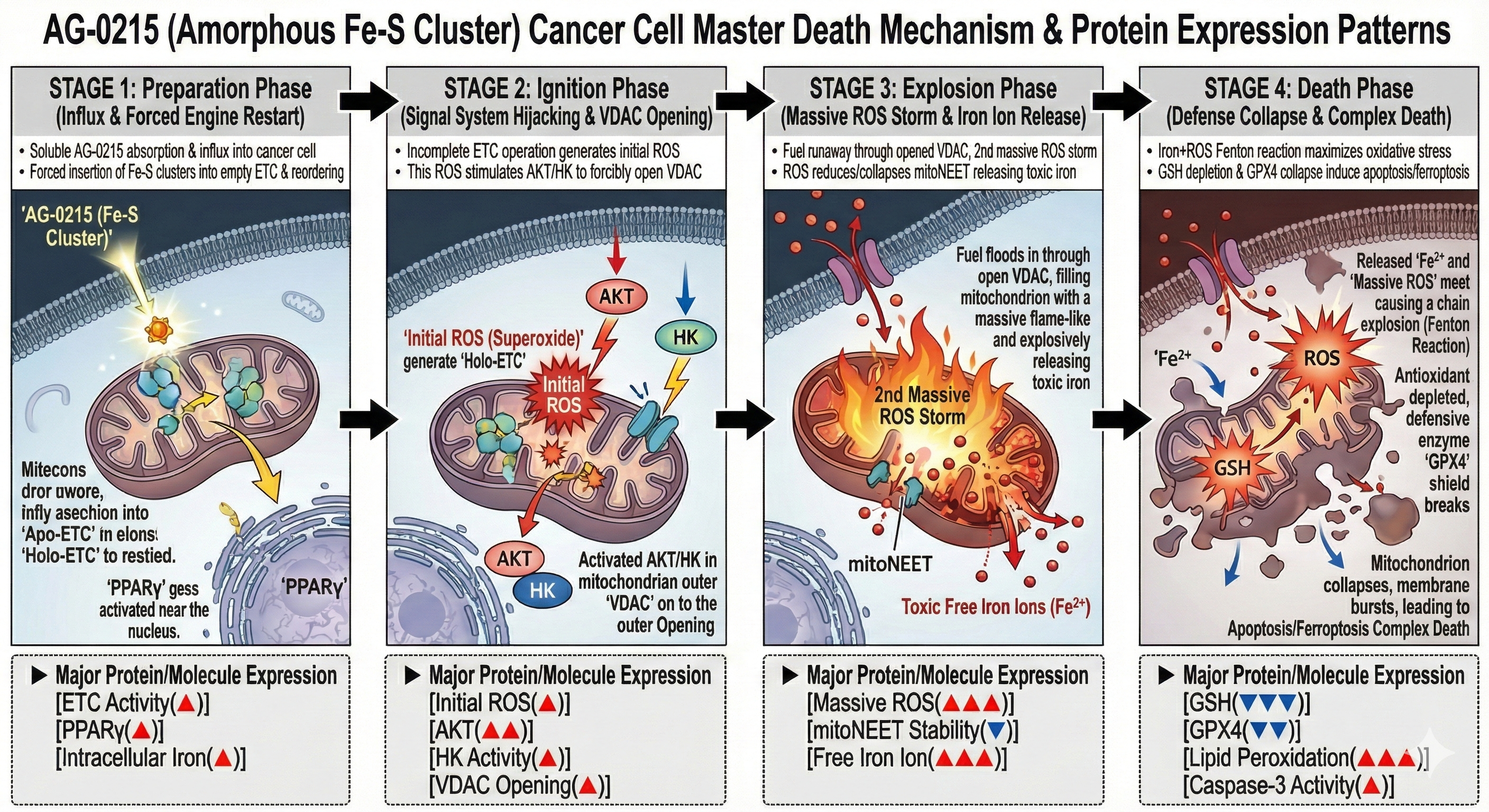
AG-0215 Complex Death Mechanism
01

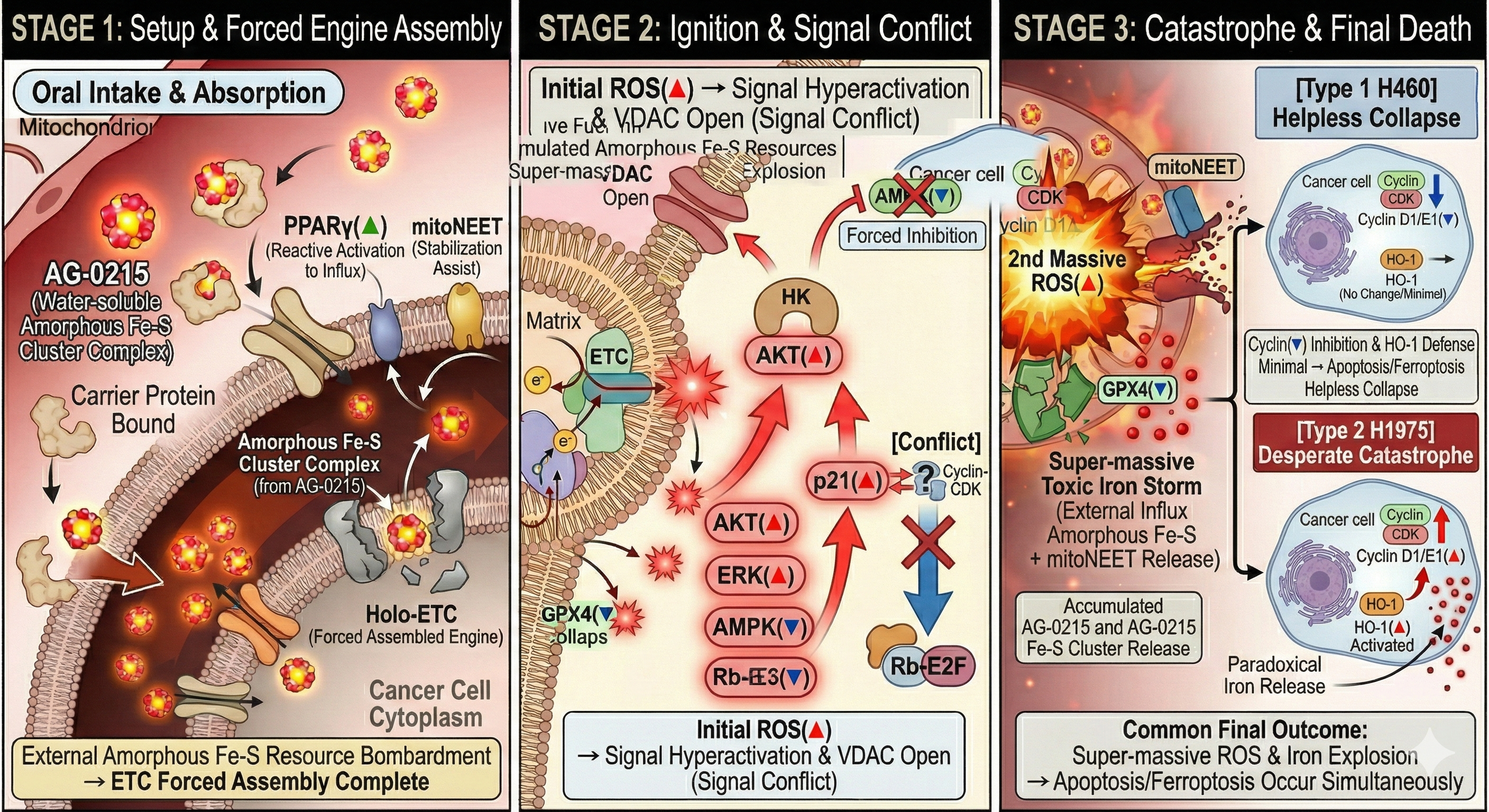
Next-Generation Cancer Cell Death Mechanism (Complex Death)

Analyzes the four-stage mechanism of AG-0215, detailing how the agent exploits mitochondrial vulnerabilities of cancer cells to simultaneously induce apoptosis and ferroptosis via cell-mediated targeted delivery.
Stage 1: Preparation — Fe-S cluster insertion into Apo-ETC complexes, forced engine restart
Stage 2: Ignition — ROS-mediated AKT/HK signal hijacking, VDAC opening
Stage 3: ROS Burst — Significant ROS accumulation, mitoNEET disruption, labile iron release
Stage 4: Death — GSH/GPX4 depletion, lipid peroxidation, Complex Death
AG-0215 Dual-Action Selectivity
02

Selective Cancer Cytotoxicity & Normal Cell Bio-Enhancement

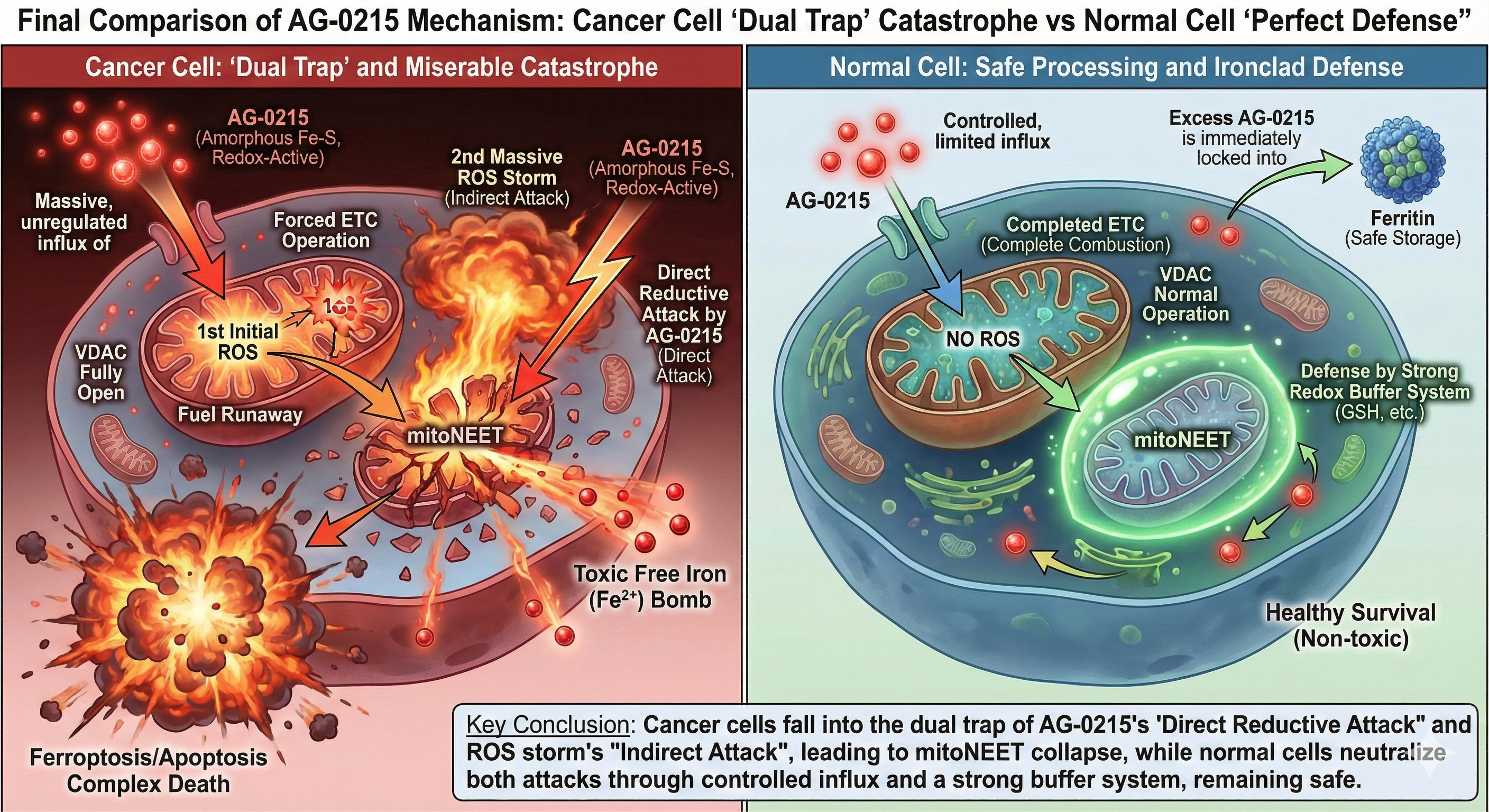
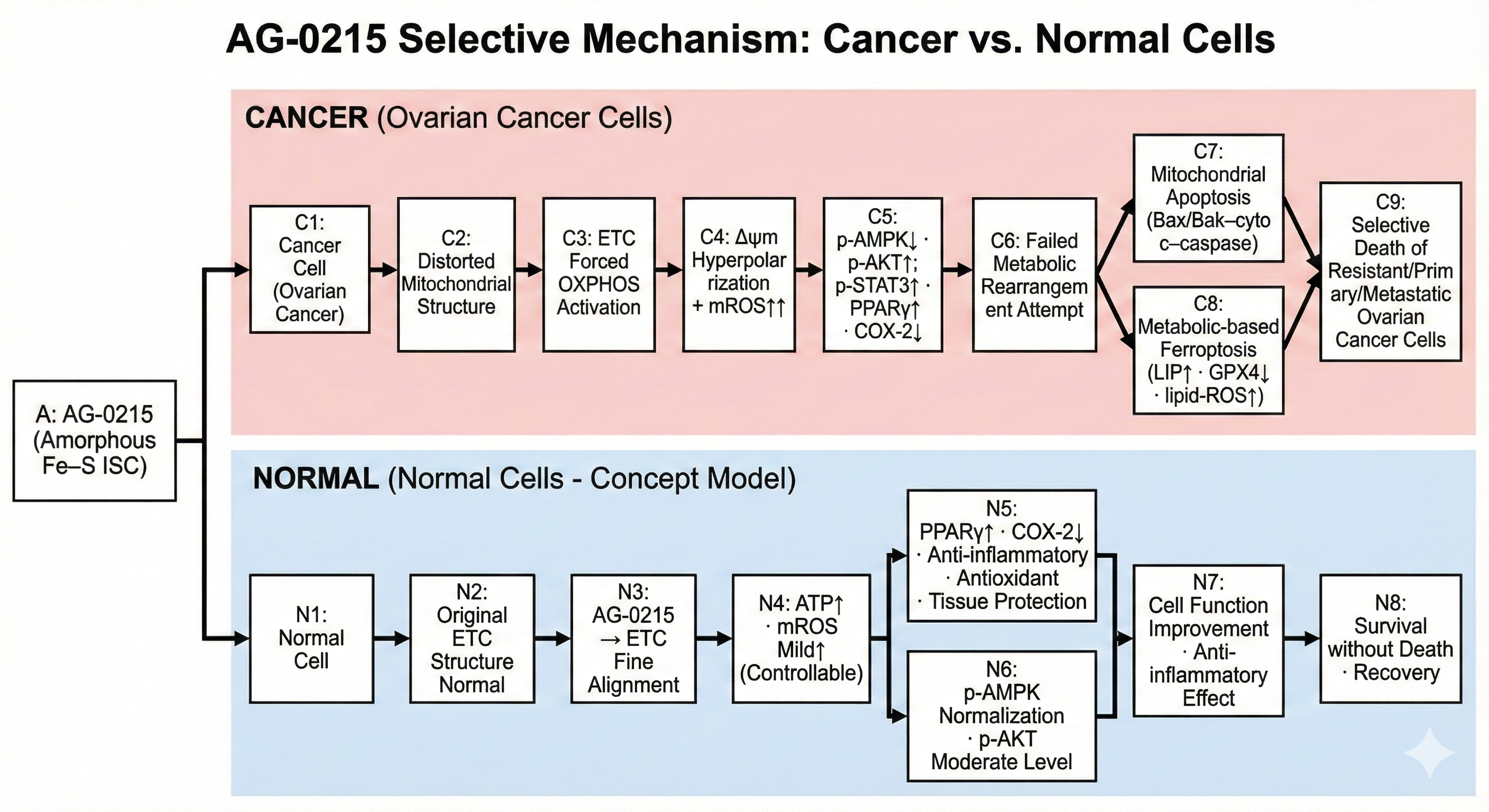
Delineates the bifurcated metabolic pathway of AG-0215 in ovarian cancer. Unlike conventional chemotherapeutics, AG-0215 triggers lethal metabolic collapse in cancer cells while promoting energetic efficiency and anti-inflammatory protection in normal cells.
Cancer: Forced OXPHOS → Hyperpolarization → mROS surge → Dual death (Apoptosis + Ferroptosis)
Normal: ETC fine-tuning → Mild ATP increase → PPARγ↑ / COX-2↓ → Survival & Recovery
Same compound, opposite metabolic outcomes based on mitochondrial state
AG-0215 ETC Optimization
03

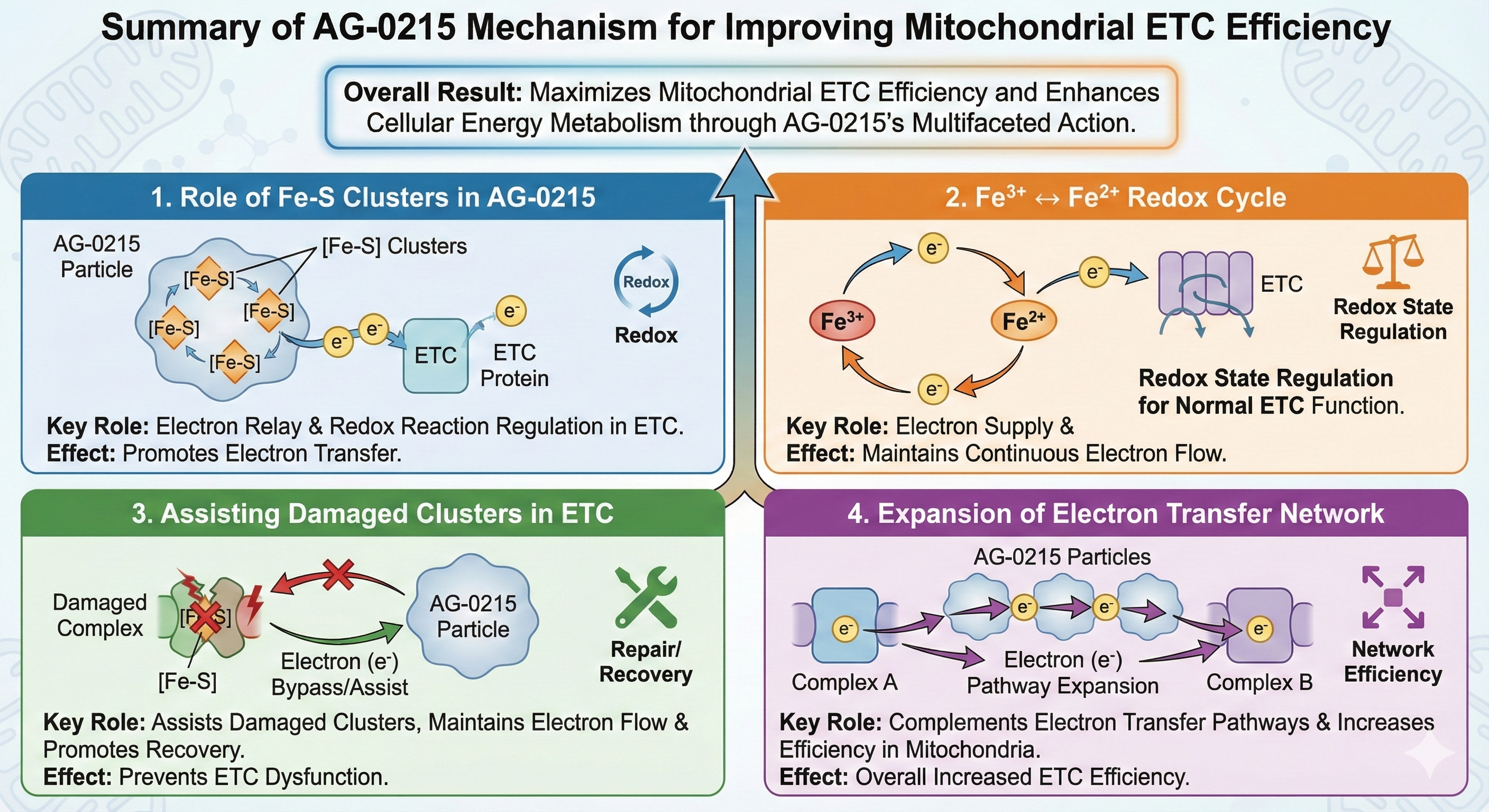
Multifaceted Mechanisms for Maximizing Mitochondrial ETC Efficiency

AG-0215 functions as a bio-catalytic scaffold that facilitates electron flow, mitigates oxidative bottlenecks, and bypasses damaged enzymatic complexes. A paradigm shift from traditional antioxidants that merely scavenge radicals.
Fe-S clusters as high-efficiency electron relay conductors within ETC
Reversible Fe³⁺ ↔ Fe²⁺ redox cycling prevents electron stagnation & superoxide production
Functional prosthetic bypass around damaged Complex I/II/III sites
Network-based expansion of electron transfer pathways for increased ATP yield
AG-0215 ICI Combination Therapy
04

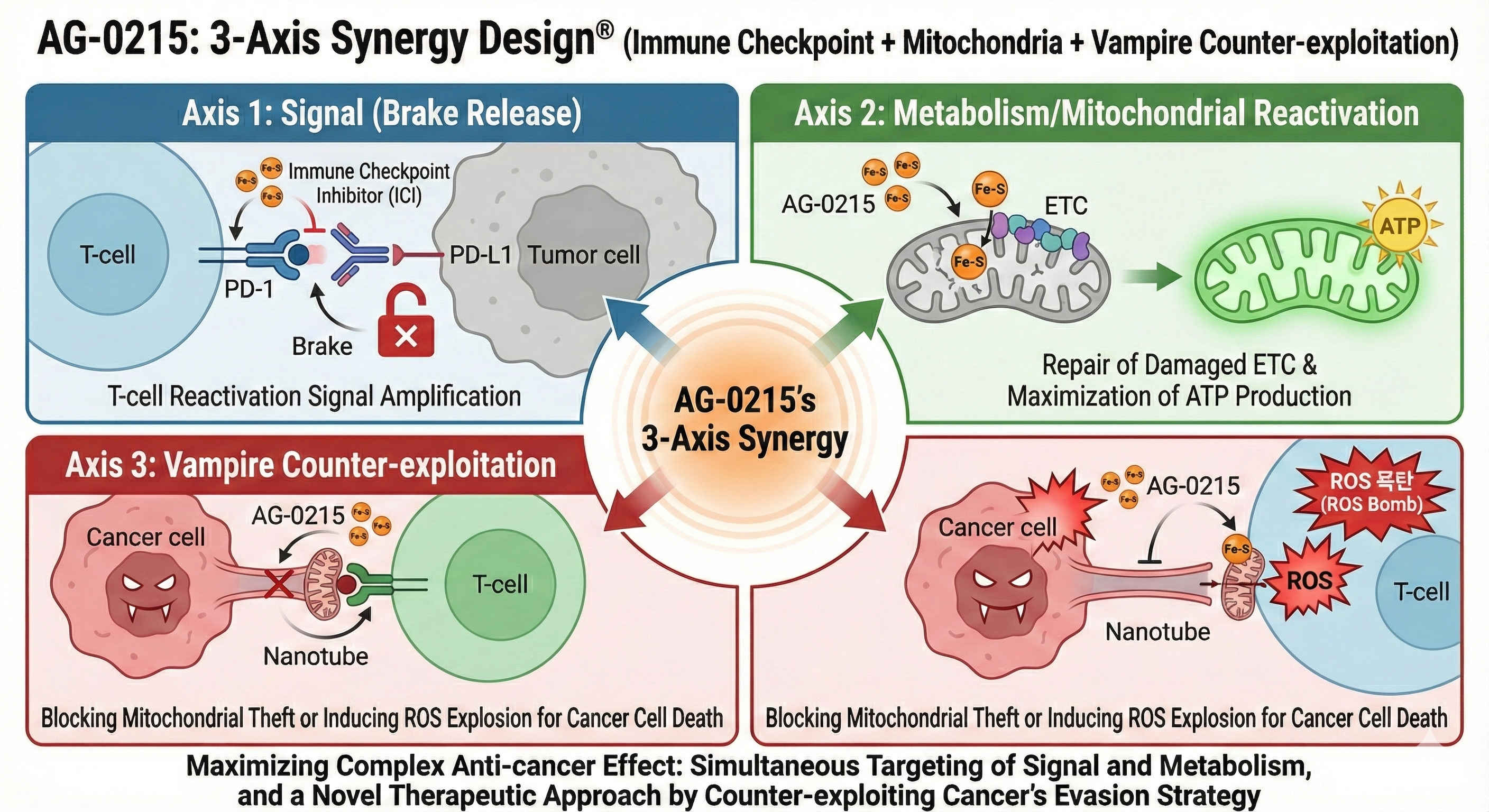
Synergistic Efficacy with Immune Checkpoint Inhibitors (ICI) & irAE Mitigation

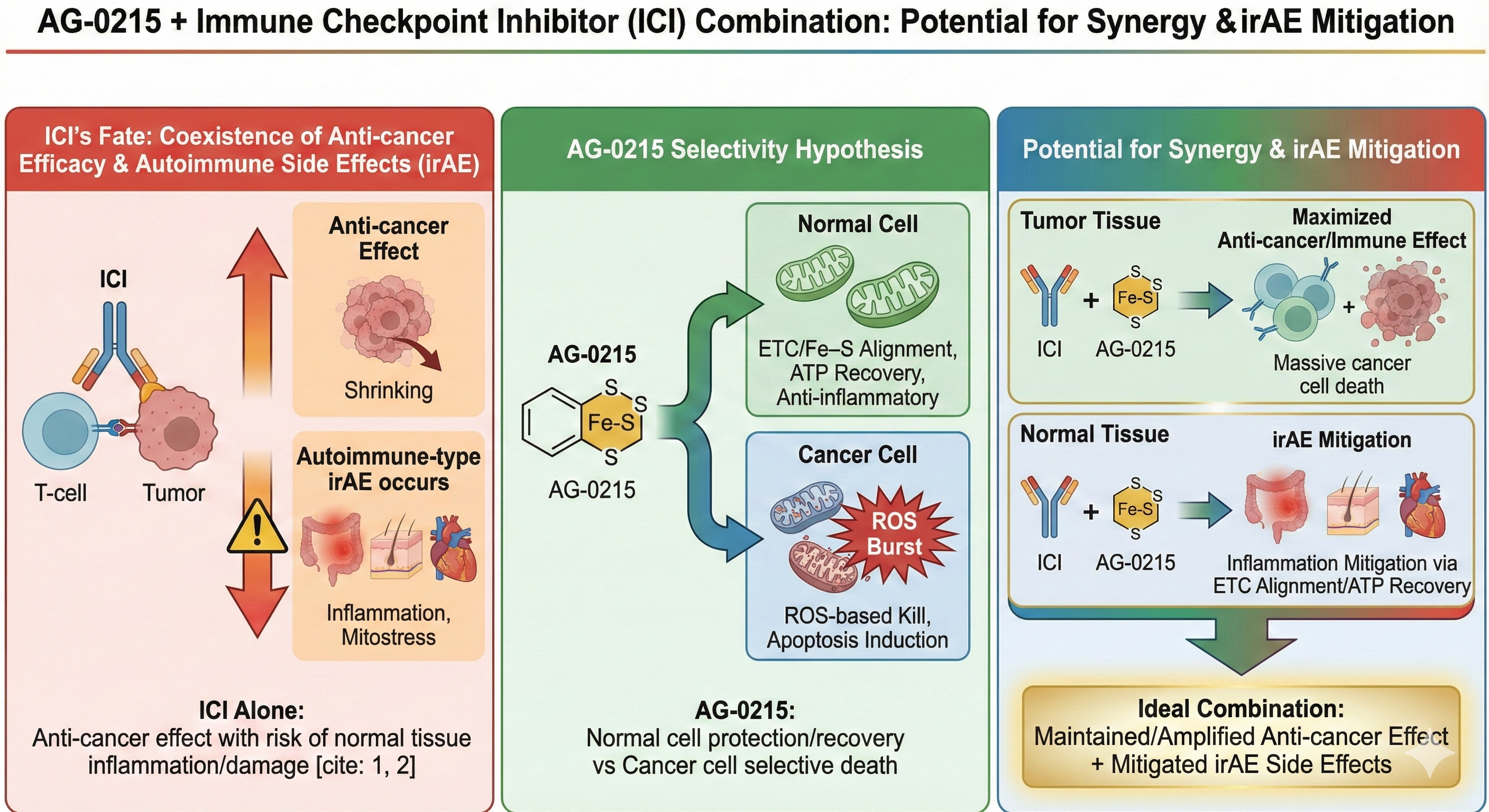
Explores AG-0215's potential to selectively amplify anti-cancer efficacy of ICIs while simultaneously mitigating immune-related Adverse Events (irAEs) through mitochondrial metabolic alignment.
ICI limitation: Anti-cancer efficacy coexists with autoimmune side effects (irAEs)
Tumor tissue: ICI + AG-0215 ROS burst → Maximized cancer cell death
Normal tissue: AG-0215 ETC alignment + ATP recovery → irAE mitigation & organ protection
"Normal Cell Protection vs. Cancer Cell Selective Death" — next-gen immunotherapy

Development Pipeline

Our therapeutic programs target high-unmet-need diseases in neurodegeneration and oncology.

Preclinical ADMET & Pharmacokinetic Profiling

AlphaGen Bio is currently advancing AG-0215 through comprehensive Lead-Opt. stage ADMET studies. This includes rigorous in vivo pharmacokinetic evaluations to quantitatively establish Blood-Brain Barrier (BBB) permeability and CNS distribution profiles, ensuring optimal therapeutic dosing. AG-0215 has successfully passed rigorous GLP toxicity tests, including single-dose and 90-day repeated administration, demonstrating a highly favorable preclinical safety profile.

For normal neurons that have already adapted to OXPHOS, AG-0215 actually acts as a 'tonic' — as the electron transport chain is repaired, it exhibits powerful anti-inflammatory effects, significantly increases ATP production, and demonstrates neuroprotective benefits. This substance operates safely without side effects under normal physiological conditions, providing strong preclinical evidence of a favorable therapeutic profile. All efficacy and safety claims are based on preclinical data. Clinical validation is pending.

Our platform is not limited to a single disease. We are strategically expanding our pipeline into select solid tumor indications where the Warburg effect is most pronounced, pursuing our vision of metabolism-based targeted therapeutics with a focused, indication-by-indication approach.

Program
Discovery
Lead Optimization
AG-0215
Solid Tumors
Lead Opt.
AG-0416
AD / PD (CNS)
Lead Discovery
AG-0815
Exploratory
Lead Discovery
Indication Target Compound Stage Progress Est. Completion
Solid Tumors (Lung, Liver, Breast) CISD1, CISD3 AG-0215 Lead Optimization
2028
Alzheimer's / Parkinson's (CNS) CISD1, CISD3 AG-0416 Lead Discovery
2028
Other Refractory Diseases CISD1 AG-0815 Lead Discovery
TBD

Leadership: Translating Scientific Vision into Clinical Reality

“No matter how brilliant the science, it cannot produce results without execution.” We possess a perfect trio consisting of decades of pharmaceutical R&D leadership, the creator of the metabolic ferroptosis platform, and medical professionals who have successfully led CNS clinical trials at global big pharma firms.

CEO

Teresa Oh

Founder & CEO

Teresa Oh leads the strategic vision of AlphaGen Bio. A graduate of George Washington University and Tufts University School of Dental Medicine, she built a proven track record of operating a successful dental clinic, she was profoundly captivated by the medical potential and efficacy of AISC (Amorphous Iron-Sulfur Cluster). Driven by this conviction, she made the decisive move to transition from clinical practice to biotechnology, investing her personal assets to found the company and commercialize AISC. As a tenacious entrepreneur, Teresa is now dedicating her full efforts to evolving AlphaGen Bio from a pioneering drug discovery firm into a global powerhouse in the clinical stage. Her leadership is defined by a unique fusion of clinical insight gained from her dental career and a proven ability in corporate scaling and strategic partnerships.

COO

Emily Um

Chief Operating Officer

Emily Um leads operations, cross-functional coordination, and strategic execution across AlphaGen Bio. She brings experience from global technology companies including Meta and Google, where she managed complex marketing and creative initiatives across large, cross-functional teams. Emily is an alumna of the USC Annenberg School for Communication and Journalism at the University of Southern California, graduating Magna Cum Laude with a B.A. in Communication with a minor in Cinematic Arts.

CSO

Chief Scientific Officer

Architect of the Metabolic Ferroptosis Platform

A globally recognized authority in mitochondrial dynamics and iron-sulfur cluster biology. The principal architect of the CISD1 and CISD3 co-targeting AG-0215 platform, leading AlphaGen Bio's robust drug discovery pipeline. Their extensive publication track record ensures our science remains rigorous, novel, and always ahead of the curve.

Scientific Advisory Board (SAB)

AlphaGen Bio's scientific strategy is guided by an external advisory board comprising experts in mitochondrial biology, oncology pharmacology, and CNS drug development. Our SAB provides independent scientific validation and strategic guidance to ensure our research maintains the highest standards of rigor and clinical relevance.

Advisory board members will be formally announced upon completion of ongoing engagements.

Latest Research

Key publications and milestones from our team.

2025

Metabolism-Based Ferroptosis: A Novel Mechanism for Selective Neuroinflammatory Cell Elimination

AlphaGen Bio Research Team — Demonstrating that metabolic reperfusion-induced ferroptosis can selectively target M1 microglia while preserving healthy neurons through CISD1/CISD3 modulation.

Peer Reviewed
2025

ETC Activation-Induced Ferroptosis in Cancer Cells: A Reperfusion-Like Injury Mechanism

Key discovery that pathological cells in glycolytic states are hypersensitive to metabolic reperfusion stress, providing a novel therapeutic window for selective cell elimination.

Peer Reviewed
2025

Differential Cellular Responses to AG-0215: Preclinical Validation of Metabolically Conditional Selectivity

Preclinical data confirming AG-0215 induces ferroptosis in cancer/inflammatory cells but enhances survival in normal cells — same compound, opposite metabolic outcomes.

Peer Reviewed
2024

AlphaGen Bio Secures Seed Funding to Advance AG-0215 Program

Company announces financing to support preclinical development and Lead-Discovery studies for its lead ferroptosis-based therapeutic candidate targeting Alzheimer's and Parkinson's diseases.

Press Release

Frequently Asked Questions

Key questions from investors, scientists, and partners about our technology and pipeline.

Yes. Although this is data obtained in-house (direct preliminary testing is available if desired), during the process of developing official models for Alzheimer's and Parkinson's diseases, we secured highly promising early in vivo and exploratory data supporting neuroprotective mechanisms. For example, in an ophthalmic exploratory study targeting glaucoma, a disease characterized by optic nerve degeneration, remarkable results were observed when our compound was administered at a concentration of 5,000 PPM. There were absolutely no side effects, and significant anti-inflammatory effects and actual vision improvement were confirmed. This directly demonstrates the mechanism of action of our compound. AG-0215 successfully penetrates tissue barriers to increase cellular ATP production and protect neural pathways.

Existing therapeutic agents rely on chemically inhibiting antioxidant defense mechanisms (e.g., GPX4), which induces indiscriminate lipid peroxidation in all cells, leading to severe systemic toxicity. AG-0215 does not directly inhibit GPX4. Instead, it induces 'metabolic ferroptosis' via Reverse Electron Transport (RET) in Complex I. Since this massive generation of reactive oxygen species (ROS) occurs only in cells in an abnormal state (cells with translocation elevated to a threshold), normal oxidative phosphorylation (OXPHOS)-dependent cells (normal translocation) are not affected at all. In other words, it exhibits a metabolically conditional effect.

For a detailed explanation of the BBB penetration mechanism, please refer to Q&A #32, where we have comprehensively outlined the full ADME pathway of orally administered AISCs, including lymphatic transport, macrophage-mediated cell-based delivery, and exosome packaging — the biological structure estimated to most readily cross the BBB. We are currently conducting rigorous IND-enabling ADMET studies to quantitatively establish BBB permeability and brain-to-plasma ratios.

We are raising our [Seed/Series A] round to achieve two critical milestones over the next 12-18 months: First, completing comprehensive in vivo ADMET and BBB permeability profiling. Second, finalizing IND-enabling studies for our lead CNS indication. This will position us perfectly for early clinical trials and subsequent strategic out-licensing.

Your concerns would be valid if it involved the administration of simple free iron. However, AG-0215 is in the form of a highly stable Amorphous Iron-Sulfur Cluster (AISC), a precisely engineered macromolecular complex in which iron and sulfur are tightly bonded within an amorphous mineral lattice. This structure does not randomly scatter iron into the cytoplasm; instead, it is delivered to mitochondria via macrophage-mediated lymphatic transport and is used precisely to 'repair' structural defects in the CISD3 protein. Rather than adding iron burden, it normalizes impaired iron metabolism, thereby preventing the accumulation of pathological free iron.

Targeted therapies that inhibit single proteins or receptors quickly develop resistance if cancer cells find alternative bypass routes. However, by exploiting the fundamental energy metabolic state of the cell (such as the Warburg effect), cancer cells or inflammatory cells have nowhere to escape. Because we turn the cell's survival strategy itself into a self-destruct switch, we can overcome the resistance limitations of existing targeted anticancer drugs or immunosuppressants.

Our primary target is the activation of the electron transport chain complex via CISD1 and CISD3, but this process induces overall metabolic reprogramming within the cell. Importantly, forced oxidative phosphorylation (OXPHOS) conversion triggers lethal ROS bursts and lipid peroxidation only in pathological cells trapped in glycolysis. The mitochondrial network in normal cells accepts this as a physiological activation signal to reinforce defense mechanisms.

Yes, the potential is limitless. Because its fundamental mechanism of action targets 'inflammatory metabolic switching,' it holds powerful potential in immune-mediated inflammatory skin diseases as well. In fact, we are actively considering expanding our pipeline for oral and topical formulations targeting atopic dermatitis, irritable bowel syndrome, reflux esophagitis, and rheumatoid arthritis. This AG-0215-based approach will become a completely steroid-free, innovative new drug capable of replacing steroid or chemotherapy agents with severe side effects.

We are establishing a biomarker strategy in line with the trend of precision medicine. In oncology, intracellular succinate accumulation levels or the ratios of specific glycolysis-dependent metabolites can be used as markers. For the central nervous system, we plan to maximize clinical success rates by tracking inflammatory microglia markers in the cerebrospinal fluid (CSF) or indicators related to reactive oxygen species and lipid peroxidation.

The most significant differentiator is the 'Kill and Protect' dual mechanism itself, rather than being a simple inhibitor. We will demonstrate our competitive edge through data from ongoing preclinical models that go beyond merely slowing disease progression to restoring the vitality and function of damaged tissues.

While such concerns may exist in the initial stages, we possess proprietary process technology and know-how to stably synthesize our AISC with precise stoichiometric control of the iron-sulfur lattice. Compared to biologics with complex compound structures, our manufacturing costs are significantly lower and synthesis stability is higher, providing highly favorable conditions for commercial scale-up.

We are building a diverse portfolio of not only composition patents but also methods of use that encompass applications under specific metabolic conditions. By establishing broad barriers to entry for the new category of metabolism-based ferroptosis, we will maximize the value of our IP assets when partnering globally.

Our primary goal is to complete IND approval and demonstrate in-human safety and target engagement through Phase 1 clinical trials. As this is a platform technology, we are devising a two-track strategy: dividing the pipeline to pursue early out-licensing for specific solid tumor targets during the preclinical stage, while leveraging clinical data to secure larger deals for our main CNS targets.

Passing the aforementioned GLP toxicity test (single dose/90-day repeated) means that the greatest systemic toxicity risk has already been eliminated. Even if an issue were to arise with the CNS dosage, thanks to the universality of its mechanism of action, it possesses the flexibility and versatility to immediately pivot the pipeline toward the aforementioned topical dermatitis treatment or localized solid tumors with clear targeting.

Yes. We have highly promising exploratory data in ophthalmology, specifically targeting conditions like glaucoma. In our tests, applying AG-0215 at a 5,000 PPM concentration significantly increased ATP generation in the optic nerve and demonstrated potent anti-inflammatory properties. This resulted in measurable visual improvement without any observed side effects, validating our mechanism's ability to safely protect and restore neural pathways across various CNS-related indications.

Absolutely. Because our Amorphous Iron-Sulfur Cluster (AISC) fundamentally regulates energy metabolism and mitochondrial efficiency, its applications extend into broader metabolic disorders. For example, in our exploratory programs, integrating our substance into pet formulations over a one-year testing period has demonstrated remarkable efficacy in preventing and managing obesity. This highlights the broad, systemic metabolic regulatory power of our platform beyond just oncology and neurology.

The barrier to entry is exceptionally high. AG-0215 is not a simple synthetic molecule; it is a highly complex, amorphous iron-sulfur cluster with a proprietary mineral lattice structure engineered under precise thermodynamic conditions. The exact stoichiometric ratios, synthesis parameters, and proprietary manufacturing processes are protected by a combination of robust patents and strict trade secrets, making reverse-engineering virtually impossible.

Current monoclonal antibodies primarily focus on clearing downstream amyloid plaques, which requires intravenous infusions, struggles with BBB penetration, and carries severe risks like ARIA (brain swelling/bleeding). AG-0215 is estimated to possess the biological mechanism that most readily penetrates the BBB. More importantly, it addresses the upstream root cause — mitochondrial dysfunction and neuroinflammation — offering a true disease-modifying 'kill and protect' approach rather than just late-stage plaque management.

Yes, combination therapy is a major strategic focus. By forcing glycolytic cancer cells to reactivate their OXPHOS and breaking the Warburg effect, AG-0215 can effectively resensitize chemo-resistant tumors. Furthermore, the localized ROS burst and metabolic ferroptosis can alter the tumor microenvironment, potentially turning immunologically "cold" tumors into "hot" tumors, thereby dramatically enhancing the efficacy of existing immunotherapies.

Healthy cells operate with active OXPHOS and maintain robust, highly efficient antioxidant defense systems, notably driven by GPX4 and glutathione. When AG-0215 repairs their ETC, the physiological levels of ROS generated are easily neutralized by these intact defenses. In contrast, glycolytic pathological cells have deeply suppressed these defenses. The sudden ETC reactivation overwhelms them, meaning the lethal Fenton reaction is exclusively triggered by their compromised metabolic state.

It is a broad-spectrum metabolic modulator, but its efficacy directly correlates with the tumor's reliance on the Warburg effect. The more aggressively a solid tumor relies on glycolysis and suppresses its mitochondria to survive, the more susceptible it is to the "metabolic reperfusion" shock caused by AG-0215. This allows us to target a wide variety of aggressive, hard-to-treat solid tumors across different tissue origins based purely on their metabolic profile.

Unlike delicate large-molecule biologics or mRNA therapeutics that require strict cold-chain logistics, our Amorphous Iron-Sulfur Cluster exhibits excellent thermodynamic stability. Our proprietary synthesis ensures that the cluster remains highly stable during standard storage and transit, drastically reducing future logistical costs and making it highly suitable for global commercialization and widespread distribution.

We are actively pursuing expedited regulatory pathways. Given the novel mechanism and the profound unmet medical need in specific neurodegenerative and aggressive oncology indications, we plan to apply for Fast Track and Orphan Drug Designations where applicable. By maintaining transparent, early, and data-driven dialogue with regulatory agencies, we aim to accelerate the clinical validation of Metabolism-Based Ferroptosis.

That is a crucial point. We are actually employing a Sequential Dual-Targeting strategy. Both mitoNEET (CISD1) on the outer membrane and MiNT (CISD3) in the matrix are [2Fe-2S] cluster proteins. AG-0215 interacts with both. First, it reduces mitoNEET at the outer membrane, which acts as the 'key' to open the VDAC pores. Once the gate is open, AG-0215 enters the matrix to target MiNT, which acts as the 'engine switch' to forcibly reactivate the ETC. This coordinated, two-step modulation is exactly why our Amorphous Iron-Sulfur Cluster is so uniquely effective compared to traditional single-target small molecules.

For a long time, the precise role of MiNT was a mystery, but recent research has clearly revealed its nature. Supplier of essential components for Complex I: MiNT directly binds to 'Complex I (NDUFV2 subunit),' the first gateway of the electron transport chain within the mitochondrial matrix. [2Fe-2S] Cluster Donation: After binding, MiNT directly 'donates' the [2Fe-2S] clusters it harbors to Complex I. Complex I can only normally transport electrons (operate the ETC) if these iron-sulfur clusters are present. In conclusion, the fundamental biological purpose of MiNT is to serve as a "chaperone that continuously supplies key components (iron-sulfur clusters) to ensure the normal assembly and operation of the electron transport chain (ETC)."

Within cancer cells, MiNT is not left in an empty shell (Apo) state devoid of iron; rather, it is often 'overexpressed' in a full state (Holo). This is due to the dilemma faced by cancer cells. Iron Addiction in Cancer Cells: Cancer cells draw in massive amounts of iron to achieve infinite proliferation. The Fear of the Fenton Reaction: However, if free iron overflows within the mitochondria, it reacts with reactive oxygen species to trigger a fatal Fenton reaction (ferroptosis). The Shield Role of MiNT: Therefore, to prevent the "bomb" (free iron) from exploding, cancer cells produce large quantities of CISD proteins (mitoNEET, MiNT) to trap the iron in the form of safe [2Fe-2S] clusters. In other words, the MiNT in cancer cells is not emptied to stop ETC; rather, it acts as a 'safety pin' tightly gripping iron to prevent the cancer cells themselves from burning up due to iron toxicity (ferroptosis).

Safety Pin Overload (Hyper-activation): Cancer cells are barely surviving by reducing oxygen respiration (OXPHOS) and performing glycolysis (Warburg), when AG-0215 floods a massive amount of amorphous iron-sulfur clusters into the mitochondrial matrix. Forced ETC Reactivation: This enormous amount of clusters is excessively supplied to the electron transport chain (Complex I), either via MiNT or directly. The previously suppressed ETC engine is unwillingly overdriven. Deadly Traffic Congestion (Reverse Electron Transport, RET): The cancer cell system, which was tuned for glycolysis, cannot handle the flow of electrons as the ETC is suddenly overdriven. This triggers Reverse Electron Transport (RET), where electrons flow backward. Explosion (Ferroptosis): This results in a massive release of reactive oxygen species (ROS Burst). As even the iron safety mechanism that the cancer cells had painstakingly hidden within MiNT collapses, a chain reaction of Fenton reactions occurs, and the cancer cells are oxidized through ferroptosis.

Cancer cells trap iron in MiNT to avoid ferroptosis and inhibit ETC activation (Warburg). AG-0215 supplies high concentrations of amorphous iron-sulfur clusters to 'hyper-activate' the MiNT-Complex I pathway. This causes a metabolic overload (Reverse Electron Transport, RET) that cancer cells cannot handle, leading to their self-destruction.

1. Strong Structural Stability: AISC is an amorphous macromolecular iron-sulfur cluster that maintains its intact structure even in gastric acid (pH 2), without releasing free iron ions. 2. Lymphatic Absorption Pathway: Rather than being absorbed as free iron through conventional intestinal ion channels, AISC enters the lymphatic system via M-cells and macromolecular transport pathways, bypassing the portal circulation entirely. 3. Need-based Delivery: Without raising systemic blood iron levels, it is transported in cluster form through macrophage-mediated homing to pathological sites where metabolic demands are elevated, such as tumor microenvironments or neuroinflammatory regions.

This signifies the clinically most ideal and safe pharmacokinetics — a "Perfect Excretion System." Ceiling Effect: Once the body's physiological requirements are met, AISCs do not pass through the intestinal wall and remain within the intestinal tract via hepcidin regulation. Color Reaction: Excess AISCs react with hydrogen sulfide (H₂S) in the large intestine to form 'iron sulfide (FeS)' — which has a characteristic dark green or blackish-brown color. The dark color does not mean toxicity has accumulated, but rather is bio-feedback indicating the body is accurately absorbing only what it needs and safely expelling excess clusters 100% through stool.

1. Unprecedented Stability: AISC is the first instance of stabilization composed solely of amorphous iron-sulfur clusters without polymer coating or encapsulation — a goal numerous researchers have previously sought to achieve. This proprietary stabilization process enables the AISC to maintain its intact macromolecular form even in gastric acid (pH 2) and against digestive enzymes, demonstrating innovative stability against light, moisture, air, and temperature, completely differentiated from existing ISCs. The specific stabilization mechanism is a core proprietary asset protected under our "black box" strategy; however, we are prepared to provide samples upon request for independent verification of these exceptional stability data. 2. Does not release free iron ions, preventing blood iron toxicity or hepatotoxicity; absorbed restrictively through lymphatic pathways only to metabolically demanding target sites. 3. Excess passes through the intestinal tract intact and is safely excreted as dark-colored feces (iron sulfide formation with intestinal H₂S). 4. Retains cluster structure and metabolic intervention functions until the very last moment of elimination, demonstrating remarkable in vivo structural integrity.

Phase 1 — GI Tract & Selective Absorption: AISC's amorphous mineral-sulfur lattice structure maintains stability even in gastric acid (pH 2). In the small intestine, it is absorbed via transcytosis through M-cells and macromolecular transport pathways, not as free iron ions. Excess forms iron sulfide (FeS) and is excreted. Phase 2 — Lymphatic Transport: AISCs enter lymphatic vessels (lacteals) rather than capillaries, bypassing the liver and first-pass metabolism. Blood iron levels do not fluctuate. Phase 3 — Cell-Mediated Targeted Transport: Preclinical models suggest that macrophages phagocytose AISCs and naturally home to inflammation/tumor sites, carrying clusters through the TME or across the BBB to neuroinflammation sites. Phase 4 — Exosome Packaging: Based on our preclinical observations, cells encapsulate AISCs in exosomes, which are independent of blood transferrin pathways and are estimated to represent the biological structures that most readily cross the BBB.

This transport mechanism offers significant advantages: 1. Blocking the source of hepatotoxicity and blood iron overload. 2. Maximizing targeted homing to sites of neuroinflammation and the solid tumor microenvironment. 3. Ensuring physiological efficiency to bypass or cross the blood-brain barrier (BBB).

Since AG-0215 utilizes cell-mediated transport, its half-life is synchronized with the natural turnover of carrier cells and exosomes, providing a sustained release profile. Once the therapeutic action is complete, remaining mineral components are metabolized through natural cellular pathways. Iron and sulfur are integrated into the body's essential mineral pools or cleared via the glymphatic system — the brain's waste removal pathway — preventing any long-term CNS accumulation.

No. Our "Safety Ceiling" mechanism is the key. Unlike traditional iron salts that force themselves into the blood, AISC absorption is regulated by the body's metabolic demand. Once cellular requirements are met, the intestinal barrier effectively halts further uptake. Excess is excreted through the GI tract. We have not seen any elevation in long-term storage markers like Ferritin, confirming that AG-0215 does not contribute to systemic iron overload.

Our research results suggest the potential for AISCs to exert neutral or positive effects. Because AISCs are structurally stable and do not release large amounts of reactive free iron in the gut, they do not promote the proliferation of pathogenic bacteria (bacteria that utilize free iron as a nutrient). Since this suggests that AISCs selectively regulate anaerobic metabolism without disrupting beneficial symbiotic microbiota, we expect this to bring about innovative results for the gut microbiome. Existing research directions regarding the gut microbiome have targeted only beneficial microorganisms; therefore, we anticipate that the combined effects of AISCs, which are associated with mitochondrial activation, will yield results on a completely different level compared to existing microbiome research.

The distinction is purely metabolic. M1 microglia undergo a profound "glycolytic shift" to fuel inflammatory cytokine production, making them hypersensitive to "metabolic reperfusion" caused by ETC reactivation. In contrast, M2 microglia maintain more oxidative metabolism (OXPHOS), similar to healthy neurons. Therefore, AG-0215 selectively eliminates the M1 phenotype while leaving M2 "repair" cells intact to facilitate tissue recovery.

Oral administration is a strategic choice to utilize the Lymphatic Pathway. By absorbing through intestinal M-cells and lacteals, we bypass the liver and utilize the natural cell-mediated trafficking system of the GALT (Gut-Associated Lymphoid Tissue). This "bottom-up" delivery is far more efficient for sustained stealth circulation than "top-down" IV injection, which would face immediate recognition by the splenic filtration system.

Yes. The ROS burst is an internal mitochondrial event triggered by Reverse Electron Transport (RET) within the target cell's own matrix. The resulting lipid peroxidation leads to rapid membrane collapse and ferroptosis, resulting in selective elimination of the pathological cell. This localized effect, combined with neighboring healthy neurons being simultaneously strengthened by AG-0215's restored ETC function, creates a dual "Kill and Protect" mechanism.

Our proprietary "Co-precipitation and Amorphous Stabilization" process is highly robust. We use advanced spectroscopic fingerprints (ICP-MS and XRD) to ensure every batch meets the exact stoichiometric ratios of the AISC matrix. Manufacturing protocols have been optimized to produce high-purity, stable clusters meeting stringent GMP requirements for pharmaceutical grade consistency.

AISC achieves unprecedented stability for an iron-sulfur cluster without relying on polymer coating or encapsulation — a first in the field. Unlike lipid nanoparticles (LNPs) or viral vectors sensitive to temperature and shear stress, our proprietary stabilization process yields a structure that is thermodynamically stable at room temperature with demonstrated resistance to light, moisture, air, and thermal stress. Preliminary stability studies show the AISC maintains its amorphous structure and functional activity for over 24 months, significantly reducing global supply chain logistics cost and complexity. Detailed stabilization data are available for review by qualified partners under confidentiality agreements.

AG-0215 is being developed strictly as a First-in-Class New Chemical Entity (NCE). While mineral-based, its specific amorphous cluster structure and potent disease-modifying mechanism (Metabolic Ferroptosis) qualify it for the standard drug approval pathway. This allows us to secure orphan drug designations, pediatric exclusivity, and full patent protection, ensuring a high barrier to entry for any potential generics.

Absolutely. By forcibly breaking the Warburg effect and altering the tumor microenvironment's redox state, AG-0215 can "prime" resistant tumors, making them significantly more susceptible to standard chemotherapy or immunotherapy. We see a massive opportunity for combination trials where AG-0215 acts as a metabolic sensitizer to enhance the overall objective response rate (ORR) in difficult-to-treat solid tumors.

Academic Value: A new theory defining the Warburg Effect and glycolytic switching as "self-destruct switches" rather than survival strategies. The CISD protein family and ETC relationship is elucidated, and intentional ROS generation through RET will mark the pinnacle of mitochondrial metabolism research. The 'Kill & Protect' Paradox serves as a groundbreaking example in biochemistry. Business Value: A single drug simultaneously targets CNS, Oncology, and Dermatology. Amorphous mineral lattice structures provide an "economic moat" virtually impossible to reverse-engineer. GLP-validated favorable safety profile with no observed systemic toxicity dramatically reduces Phase 1/2 failure probability — the 'High Yield, Low Risk' asset most coveted by Big Pharma.

CISD1 (mitoNEET) and CISD3 (MiNT) are important [2Fe-2S] cluster proteins. CISD1 regulates VDAC opening/closing; in cancer cells, oxidized CISD1 closes VDAC, blocking ETC raw materials. AISC (potential: -200mV) utilizes potential difference to reduce CISD1 (potential: 0 to +50mV), forcibly opening VDAC. AISC then moves to ETC via CISD3 (potential: -150mV to -200mV), but the altered potential triggers Reverse Electron Transport (RET), generating massive ROS and inducing metabolic ferroptosis. In normal cells, AG-0215 reaches the mitochondrial matrix and effectively restores suppressed CISD3 function by promoting iron-sulfur cluster assembly — a highly specialized metabolic regulator with opposite outcomes based on cellular metabolic state.

Strategic Partnerships &
Intellectual Property

Intellectual Property Portfolio

  • Composition of matter patents filed for AISC-based therapeutic compounds
  • Method-of-use patents covering CISD1/CISD3 dual-targeting for CNS and oncology
  • Proprietary manufacturing process protected by trade secrets
  • Global PCT applications filed covering key jurisdictions

Partnership Opportunities

AlphaGen Bio is open to strategic collaborations that accelerate clinical development and maximize the platform's therapeutic potential.

Co-Development & Out-Licensing

Oncology and CNS lead programs available for partnered development

Investment & Investor Relations

Seed / Series A funding opportunities for qualified institutional investors

Academic Collaboration

Preclinical research, biomarker validation, and investigator-initiated studies

Contact Our BD Team →

Partner with AlphaGen Bio

We are at the forefront of redefining targeted therapies through Metabolism-Based Ferroptosis. AlphaGen Bio is actively seeking strategic collaborations, out-licensing opportunities, and investment partnerships to accelerate our highly differentiated pipeline into the clinic.

Let's transform the future of neurodegeneration and oncology together.

Website

www.alphagenbio.org

Location

Pittsburgh, USA

LinkedIn

AlphaGen Bio